CeNI envisions a world where NTM infections are 100% preventable and treatable, while
learning about the why’s and how’s these opportunistic pathogens jump from the environment
to cause disease in susceptible individuals and how best to predict, diagnose, and
treat these infections.

Welcome!
Our vision is to increase the recognition and visibility of nontuberculous mycobacteria (NTM) as important bacterial pathogens and to provide clinical and biomedical translational expertise, education and support for patients, their families, and healthcare providers in East Texas, statewide, nationally, and at the international level. We are one of the only NTM Centers to combine expert clinical and environmental NTM care and research together to alleviate disease burden.
What are NTM?
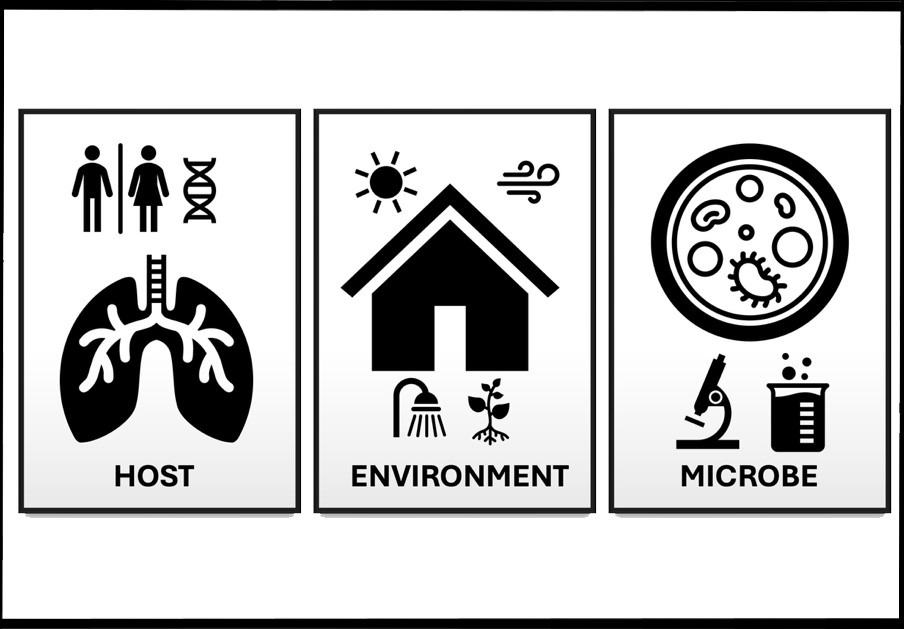
Nontuberculous mycobacteria (NTM) are environmental bacteria naturally found in soil, water, and dust. Certain host factors, like having a weakened immune system, chronic lung diseases (like COPD or cystic fibrosis) or bronchiectasis make some people more susceptible to infection when they inhale or come into contact with these bacteria. Environmental factors, such as living in areas with high humidity or exposure to contaminated water sources, can increase the risk of infection. Different species of NTM, such as Mycobacterium avium complex (MAC) and Mycobacterium abscessus can cause disease, with each species presenting slightly different challenges in terms of symptoms and treatment. Symptoms often include a persistent cough, fatigue, weight loss, and difficulty breathing, and the infection may require long-term antibiotic therapy tailored to the specific species involved. Thus, primary focus points of CeNI are the host, environment, and NTM features that influence and drive infection across a lifetime.
Center Mission
- Discover New Clinical and Environmental Interventions: Uncover new therapies and identify interventions that can be applied both clinically and environmentally to combat NTM diseases.
- Promote Biomarker Discoveries: Researchers at the center are working on advancing new biomarker discoveries, which are crucial for the early detection and effective treatment of NTM infections and a crucial biobank.
- Inform Environment-Host-Pathogen Interactions: Investigate the interactions between the environment, host and NTM, focusing on understanding pathogen virulence and host evasion strategies.
- Enrich Training and Education: Emphasize and invest in the training of the next generation of NTM scientists by building resources, attracting, and retaining new early-career faculty and staff, thereby growing the visibility and reputation of NTM science.
Purpose and Goals
-
Strengthen a body of collective experts studying NTM biology, disease treatment, improved diagnosis, and infection prevention.
-
Strong focus on several key clinical and translational research areas aimed at advancing the understanding of NTM diseases.
-
Support new discoveries that thoroughly describe environmental factors that drive disease to improve mitigation efforts.
-
Broad mission to thrive as a leading resource and educational hub for NTM infections.
Location
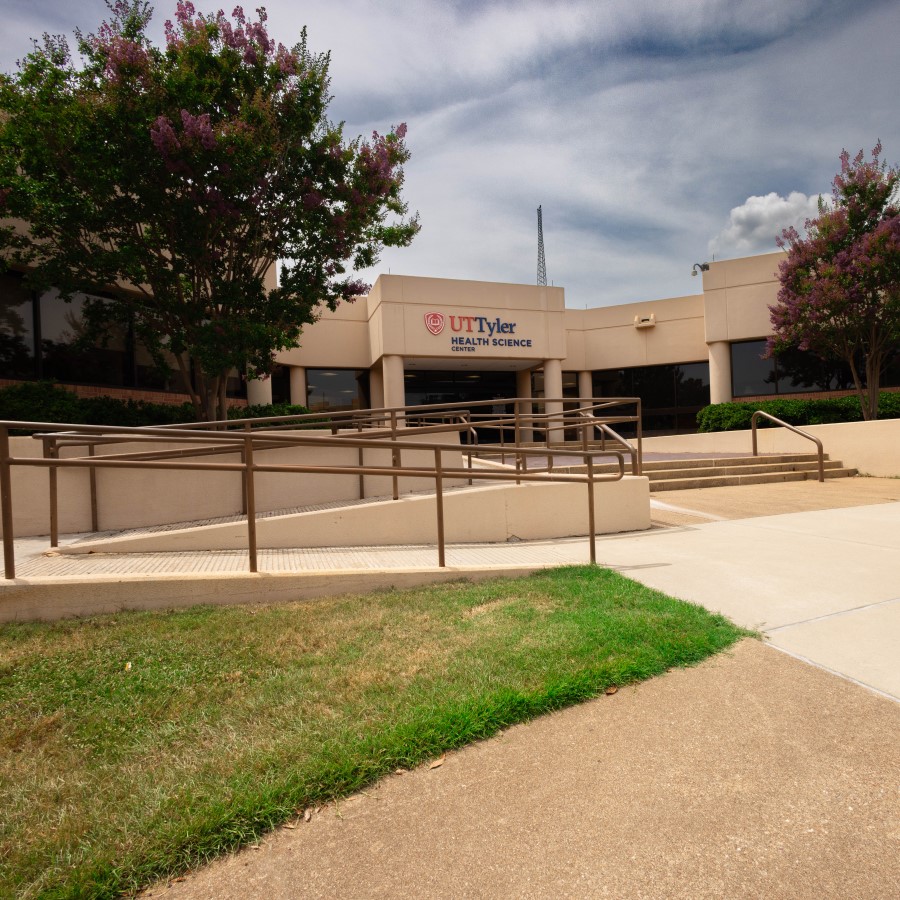
We are headquartered on the University of Texas Health Science Center at Tyler campus in Tyler, Texas. Tyler, ranked #1 of USA Today's "Five Best Cities to Move to in Texas" in 2024- is known as the "Rose Capital of America." Centrally located in Northeast TX. Tyler is among the fastest growing regions in Texas and is the largest retail, healthcare, and business center in Upper East Texas.
Related Links
Vorem ipsum dolor sit amet, consectetur adipiscing elit. Nunc vulputate libero et velit interdum, ac aliquet odio mattis.