Graduate Faculty Highlights
Graduate Faculty Highlights
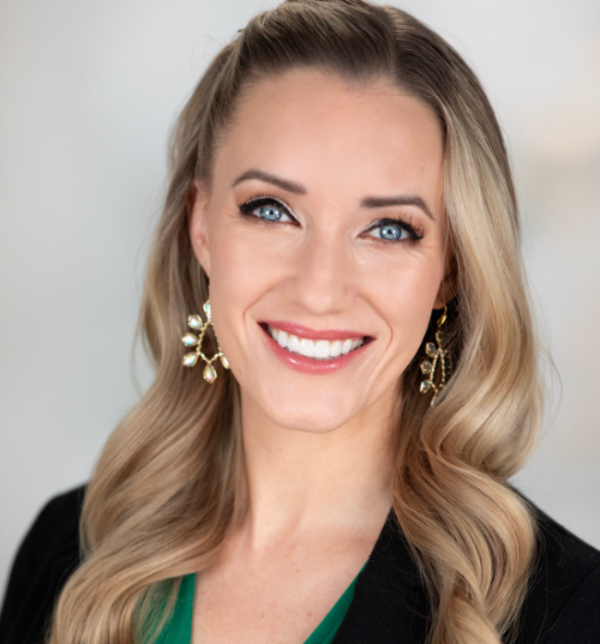
Dr. Emily Fox
School of Nursing
Dr. Emily Fox’s scholarly work focuses on doctoral nursing education, evidence-based practice, quality improvement, and the preparation of nurses to lead meaningful change in complex healthcare systems. As Director of the DNP Program, she works closely with doctoral students as they develop, implement, evaluate, and disseminate practice-focused projects that address real problems in clinical and academic settings.
Her mentorship emphasizes clarity, feasibility, rigor, and impact. She guides DNP students in translating evidence into practice, strengthening project design, aligning outcomes with organizational needs, and communicating the value of nursing-led quality improvement. Dr. Fox is especially committed to helping students move from broad clinical concerns to focused, measurable practice changes that improve systems, support patients and clinicians, and advance the role of the DNP-prepared nurse.
In addition to her work with DNP students, Dr. Fox’s scholarship includes nursing education innovation, faculty development, interprofessional collaboration, and the responsible use of emerging technologies, including generative AI, to support teaching, learning, and scholarly productivity. Her favorite part of working with doctoral students is watching them grow in confidence as nurse leaders and seeing their ideas become sustainable improvements in practice.
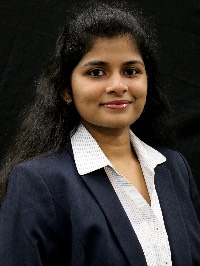
Dr. Prabha Sundaravadivel
College of Engineering
Dr. Prabha Sundaravadivel is an Associate Professor of Electrical and Computer Engineering at The University of Texas at Tyler and Director of the Center for Robotics and Intelligent Systems. Her research sits at the intersection of edge AI, robotics, UAVs, embedded systems, intelligent sensing, and real-world problem solving. From drones that monitor crops to underwater robots, smart plant-health scanners, wearable edge devices, and AI-powered tutoring tools, her work focuses on building intelligent systems that do not just “think” in the lab, but can operate where they are needed most - in farms, greenhouses, water systems, classrooms, and communities.
A major part of Dr. Sundaravadivel’s research mission is mentoring graduate students into independent researchers, innovators, and technology leaders. Her students work on hands-on, externally funded projects involving precision agriculture, autonomous robots, computer vision, edge computing, smart sensing, and AI-enabled decision-support systems. Through her research group and CeRIS, students are encouraged to publish, patent, present, build, test, troubleshoot, and occasionally convince a robot, drone, or sensor to behave before a deadline.
For incoming graduate students, her lab offers a place where curiosity is welcome, big ideas are encouraged, and “what if we tried this?” can quickly turn into a prototype, paper, patent, or field experiment. Her mentorship emphasizes curiosity, confidence, interdisciplinary collaboration, and translating ideas into systems that make a measurable impact.
Want to learn more? Reach out to Dr. Sundaravadivel at psundaravadivel@uttyler.edu.
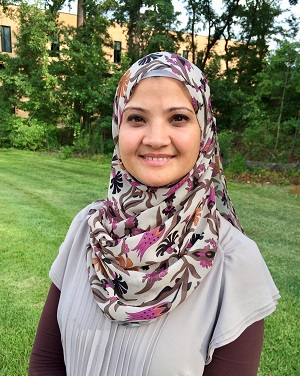
Dr. May Abdelaziz
Fisch College of Pharmacy
Dr. Abdelaziz has a passion for mentorship, she works closely with undergraduate, graduate, and professional students who are an integral part of her research team. She has supervised several UT Tyler graduate students in her lab who are currently pursuing their PhD or professional degrees and employed in industrial positions.
To learn more, visit: Dr. Abdelaziz Lab
Dr. Kerri Camp
Soules College of Business
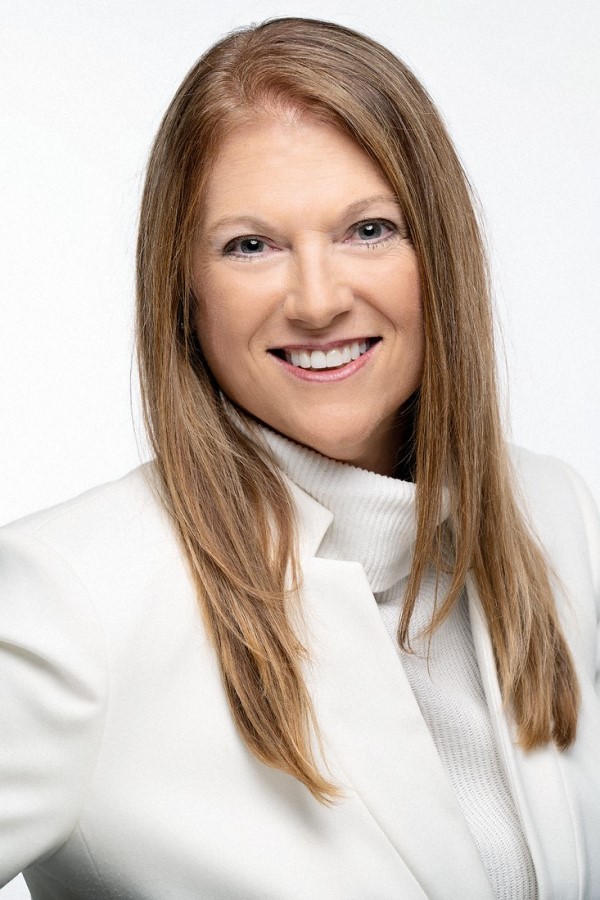
Dr. Camp has published articles on the patient experience and is the author of two healthcare marketing books. She regularly appears on local news as a marketing expert and has worked as a consultant for healthcare marketing litigation. Dr. Camp also serves as the Associate Dean of Graduate Programs for the Soules College of Business.
To learn more, visit Dr. Kerri M. Camp
Dr. Woohyoung Jeon
School of Health Professions
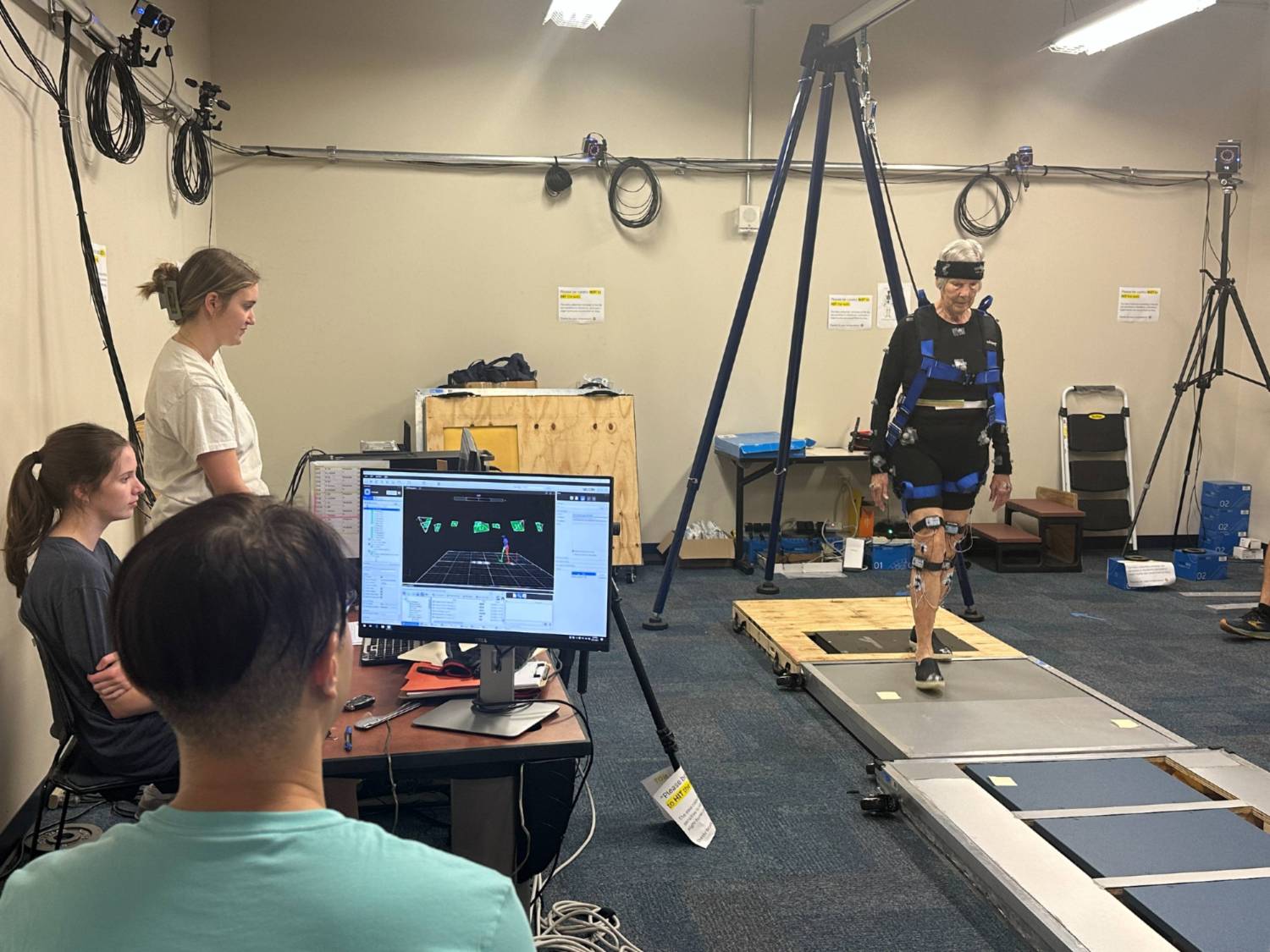
Dr. Woohyoung Jeon's research focuses on the neuromuscular and biomechanical mechanisms underlying balance control, mobility, and fall risk in older adults and individuals with neuromuscular disorders. Using perturbation-based balance assessments, motion analysis, and wearable technologies, he examines how aging and disease affect stability during everyday activities such as walking, standing, sitting, and recovering from unexpected balance disturbances. Through this research, Dr. Jeon advances knowledge of balance recovery, mobility decline, and fall prevention while bridging biomechanics, neuromuscular physiology, and rehabilitation science to improve quality of life across clinical and aging populations.
Dr. Michael R. L. Odell
School of Education
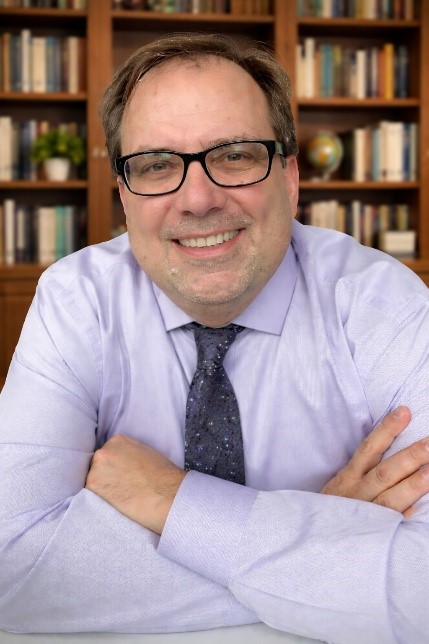
Michael R. L. Odell is a Professor of STEM Education whose career has centered on a fundamental question: How can research be used not simply to study educational problems, but to improve the systems that produce them?
His scholarship spans Improvement Science, STEM education, program evaluation, laboratory schools, educator preparation, and organizational change. Over his career, he has served as a researcher, evaluator, or consultant on initiatives supported by organizations including the National Science Foundation, NASA, the U.S. Department of Education, the Carnegie Foundation, state agencies, universities, school districts, and nonprofit organizations.