Clinical Excellence

Advancing Access to Care in East Texas

The Division of Infectious Diseases provides comprehensive, high-quality inpatient and outpatient consultative services across a spectrum of infectious diseases.

Our faculty deliver expert clinical evaluation and management at UT Health East Texas hospitals and clinics, caring for patients with complex conditions including sepsis, endocarditis, osteomyelitis, complicated pneumonias, invasive fungal infections, mycobacterial diseases, multi-drug-resistant organisms, HIV and post-surgical or device-associated infections. We also provide expertise in the management of infections in transplant and hematology/oncology patients, including those with profound immunosuppression.

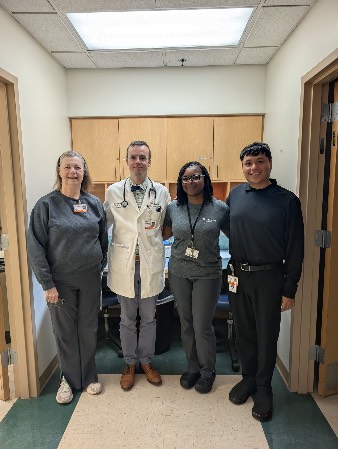
Whether providing bedside consultation for acutely ill patients or longitudinal follow-up in the outpatient setting, our division remains dedicated to clinical excellence and improving health outcomes for patients throughout East Texas and beyond.
Clinical Sites

Inpatient ID Consult Services

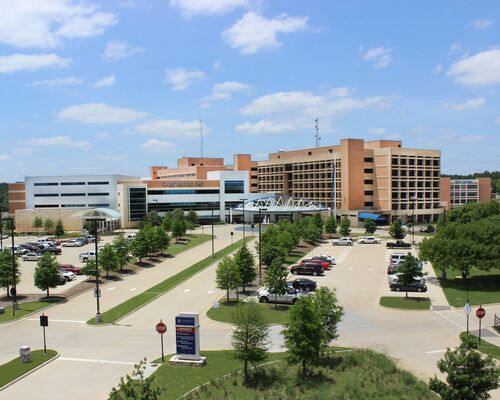
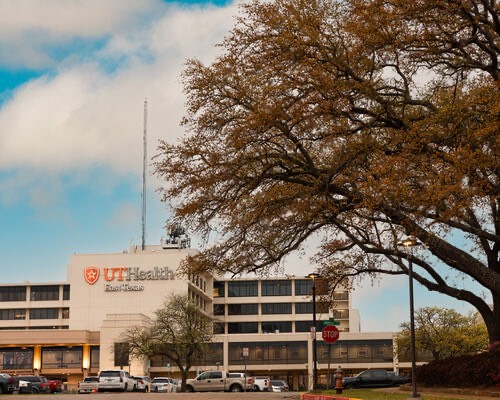
UT Health Tyler is the flagship hospital of the UT Health East Texas system, with 424 beds and a medical team of over 500 physicians across a full range of specialties. As a regional hub for advanced acute care, it is home to the only Level I trauma center, a comprehensive stroke center, the region’s first ECMO program, a state-of-the-art NICU and dedicated inpatient units for oncology, cardiology and intensive care.

Serving as the primary teaching hospital for the UT Tyler School of Medicine, UT Health Tyler combines exceptional patient care with medical innovation and the training of future healthcare leaders.

Learn More

ID/HIV/NTM Outpatient Clinic

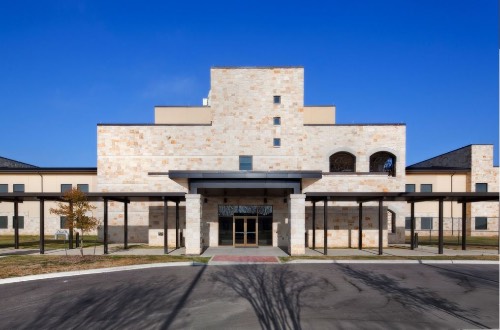
UT Health North Campus Tyler offers a robust outpatient setting where patients benefit from convenient access to specialty clinics. In the context of the Division of Infectious Diseases, this site functions as a dedicated outpatient hub for managing complex infectious disease casesincluding general infectious diseases, endocarditis, osteomyelitis, prosthetic joint infections, HIV care, NTM disease and longitudinal follow‑up of immunocompromised patients.

The clinic is designed to facilitate continuity of care and specialized consultations in an ambulatory setting.

Learn More

Inpatient TB Hospital

Historically and operationally connected to UT Tyler through a longstanding charter, the Texas Center for Infectious Diseases (TCID), located in San Antonio, is a publicly‑accredited specialty hospital dedicated primarily to tuberculosis (TB) care. As the only hospital of its kind in the United States, TCID is equipped to manage the most challenging cases of TB including drug‑resistant and extremely drug‑resistant formsalong with comorbidities such as HIV, substance use, diabetes and social vulnerabilities like homelessness.

The hospital operates a 75-bed acute care unit with private airborne-isolation rooms and negative-pressure ventilation, supporting long-term inpatient stays that can last months to over a year. TCID serves as a critical TB referral center, providing expert inpatient management, advanced diagnostics and multidisciplinary care, while contributing to TB research, education and training for healthcare professionals nationwide.

Learn More

Outpatient & Public Health TB Program


Based in San Antonio, Heartland TB Center is a part of the Division of Infectious Diseases at UT Tyler School of Medicine, functioning as the outpatient and public health arm of tuberculosis (TB) care across the State of Texas. TB Heartland facilitates outpatient management, directly observed therapy, contact investigation and TB prevention services. TB Heartland enables broad access to TB services, supports public health partnerships and serves as a gateway for outpatient TB care, latent TB infection management and community‑based disease control efforts. TB Heartland also serves as a training and research hub, contributing to clinical studies, surveillance programs and public health initiatives aimed at improving TB outcomes and reducing transmission. The program plays a pivotal role in preventing TB, managing active disease and advancing public health strategies statewide.